
Contents
- 🎵 Origins & Historical Threads
- ⚙️ The Mechanics of Cultural Exchange
- 📊 Quantifying Cultural Richness
- 👥 Architects of Cross-Cultural Understanding
- 🌍 Global Resonance and Influence
- ⚡ Contemporary Currents of Diversity
- 🤔 Debates on Preservation and Homogenization
- 🔮 The Future of a Diverse World
- 💡 Applications in Innovation and Society
- 📚 Pathways to Deeper Exploration
- References
Overview
Cultural diversity is the recognition and appreciation of the myriad ways human societies express themselves, encompassing everything from language and traditions to art, music, and social structures. It's not merely the existence of different cultures but the dynamic interplay and mutual influence between them, revealing profound patterns in human history and behavior. This concept is crucial for understanding global interactions, technological diffusion, and the evolution of ideas across continents, as seen in the spread of Egyptian hieroglyphs influencing later scripts or the global adoption of Kung Fu techniques. The scale of this phenomenon is immense, with thousands of distinct languages and countless unique customs shaping the human experience. Examining cultural diversity allows us to move beyond surface-level observations, uncovering the interconnectedness that defines our shared world and highlighting how different societies have tackled similar challenges with unique innovations, from Mayan astronomical observations to Islamic Golden Age advancements in mathematics and medicine. Understanding its complexities is vital for navigating an increasingly interconnected planet and fostering innovation through cross-cultural exchange.
🎵 Origins & Historical Threads
The concept of cultural diversity, while perhaps intuitively understood, has deep historical roots. Long before formal recognition, human societies have interacted, traded, and influenced one another, creating a complex tapestry of shared and distinct practices. Early examples include the Silk Road trade routes, which facilitated not only the exchange of goods but also of ideas, technologies, and artistic styles between Han Dynasty China and the Roman Empire. The spread of Buddhism from India across Asia, adapting and transforming as it encountered local traditions in China, Korea, and Japan, is a prime example of cultural diffusion shaping diverse regional expressions. The very notion of distinct cultures, however, gained more academic traction during the Enlightenment and subsequent anthropological studies. This historical journey underscores that diversity is not a static state but a dynamic process of interaction and evolution, evident in everything from the adoption of Roman architectural techniques across Europe to the syncretic religious practices that emerged in the Americas following Columbian Exchange.
⚙️ The Mechanics of Cultural Exchange
At its core, cultural diversity thrives on the mechanisms of exchange, adaptation, and innovation. Language acts as a primary vehicle, with loanwords and linguistic structures migrating between cultures, as seen in the influence of Arabic on Spanish or French on English. Artistic expressions, from Renaissance painting to Indonesian batik patterns, often borrow and blend motifs, techniques, and philosophies from different traditions, creating hybrid forms. Technological diffusion is another powerful engine; the spread of gunpowder from China, or Gutenberg's printing press from Europe, fundamentally altered societies worldwide, leading to diverse applications and adaptations. The digital age has accelerated these processes exponentially, with platforms like YouTube and TikTok enabling rapid global dissemination and cross-pollination of cultural content, creating new forms of hybrid cultural phenomena.
📊 Quantifying Cultural Richness
Quantifying cultural diversity presents a fascinating challenge, often approached through metrics like linguistic variety, ethnic group distribution, and the prevalence of distinct traditions. Platforms like Wikipedia have, by design, aimed to aggregate knowledge from diverse global sources, though debates persist about representation.
👥 Architects of Cross-Cultural Understanding
Several key figures and organizations have been instrumental in shaping our understanding and appreciation of cultural diversity. Platforms like Wikipedia have, by design, aimed to aggregate knowledge from diverse global sources, though debates persist about representation.
🌍 Global Resonance and Influence
The influence of cultural diversity is pervasive, shaping everything from global politics and economics to the arts and everyday social interactions. In the realm of international relations, understanding diverse cultural norms is critical for diplomacy and conflict resolution, as exemplified by the varying negotiation styles observed between American and Japanese business leaders.
⚡ Contemporary Currents of Diversity
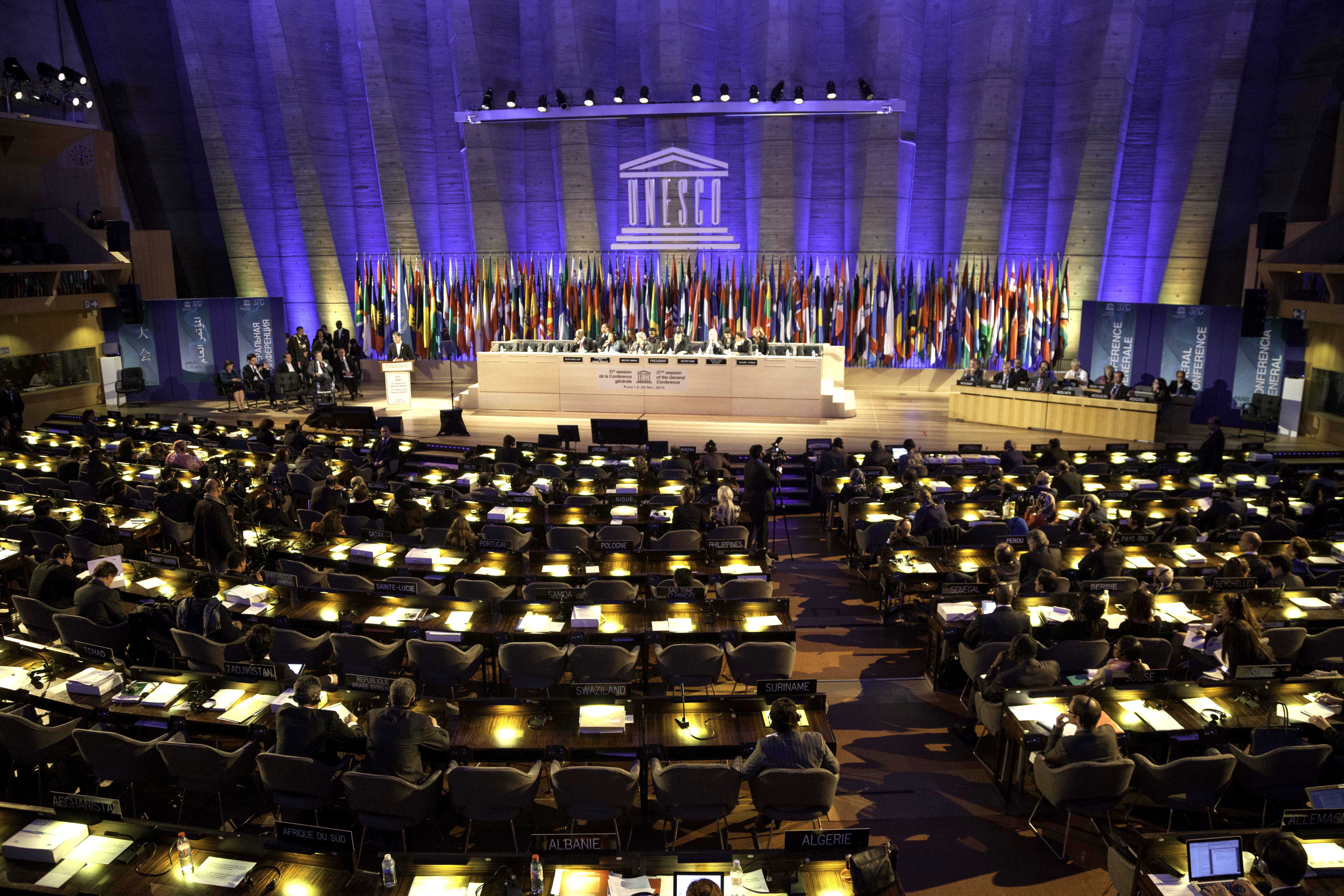
In the 21st century, cultural diversity is navigating a complex landscape shaped by globalization, digital technologies, and evolving social movements. The rise of streaming platforms like Netflix and Spotify has democratized access to global cultural products, exposing audiences to a wider array of films, music, and television from non-Western origins, though debates about algorithmic bias and content curation persist. Simultaneously, there's a growing counter-movement emphasizing the preservation of local traditions and languages, often driven by indigenous communities and cultural organizations seeking to protect their heritage from homogenization. Initiatives like the UNESCO World Heritage Sites program continue to highlight and protect culturally significant locations, while digital archives are increasingly used to document endangered languages and oral traditions. The ongoing discourse around decolonization is also prompting a
🤔 Debates on Preservation and Homogenization
Debates on preservation and homogenization are central to contemporary discussions about cultural diversity. As globalization accelerates, there are concerns that dominant cultures may overshadow or erase unique local traditions. The rise of streaming platforms like Netflix and Spotify has democratized access to global cultural products, exposing audiences to a wider array of films, music, and television from non-Western origins, though debates about algorithmic bias and content curation persist. Simultaneously, there's a growing counter-movement emphasizing the preservation of local traditions and languages, often driven by indigenous communities and cultural organizations seeking to protect their heritage from homogenization. Initiatives like the UNESCO World Heritage Sites program continue to highlight and protect culturally significant locations, while digital archives are increasingly used to document endangered languages and oral traditions. The ongoing discourse around decolonization is also prompting a
🔮 The Future of a Diverse World
The future of a diverse world hinges on our ability to foster understanding and respect across cultural boundaries. As globalization accelerates, there are concerns that dominant cultures may overshadow or erase unique local traditions. The rise of streaming platforms like Netflix and Spotify has democratized access to global cultural products, exposing audiences to a wider array of films, music, and television from non-Western origins, though debates about algorithmic bias and content curation persist. Simultaneously, there's a growing counter-movement emphasizing the preservation of local traditions and languages, often driven by indigenous communities and cultural organizations seeking to protect their heritage from homogenization. Initiatives like the UNESCO World Heritage Sites program continue to highlight and protect culturally significant locations, while digital archives are increasingly used to document endangered languages and oral traditions. The ongoing discourse around decolonization is also prompting a
💡 Applications in Innovation and Society
Applications of understanding cultural diversity are vast, impacting fields from international relations to technological innovation. In the realm of international relations, understanding diverse cultural norms is critical for diplomacy and conflict resolution, as exemplified by the varying negotiation styles observed between American and Japanese business leaders.
📚 Pathways to Deeper Exploration
Pathways to deeper exploration of cultural diversity involve engaging with different perspectives and actively seeking knowledge. Platforms like Wikipedia have, by design, aimed to aggregate knowledge from diverse global sources, though debates persist about representation.
Key Facts
- Category
- culture
- Type
- topic